Helios
task
Redesigned the Helios infotainment system by architecting a scalable HMI design system and high-fidelity prototype that prioritizes glanceable interactions to reduce driver distraction and legacy system latency.
constraints
The Problem
Drivers struggled with slow performance, unclear navigation, and high cognitive load while interacting with the system, leading to reduced usage and increased distraction while driving.
The Goal
Design a safe, intuitive infotainment experience that minimizes distraction while supporting modern, connected features.
Key Insight: Users need familiar, glanceable interactions and hands-free control to safely complete tasks while driving.
research
User Persona Data
After organizing the user feedback into data-driven personas, I created a strategic foundation to solve Helios’s most critical friction points through a safer, more intuitive system.
process start
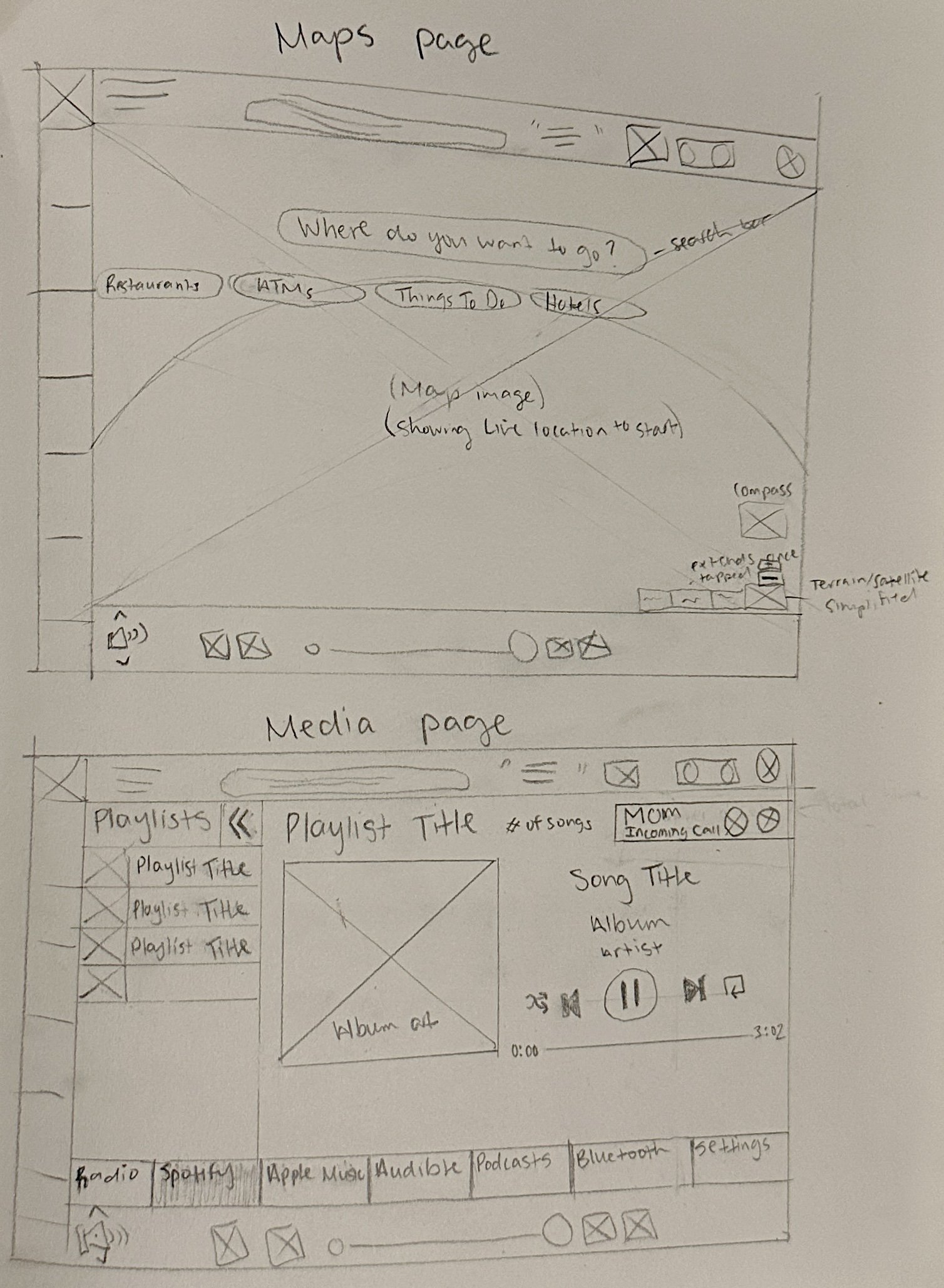
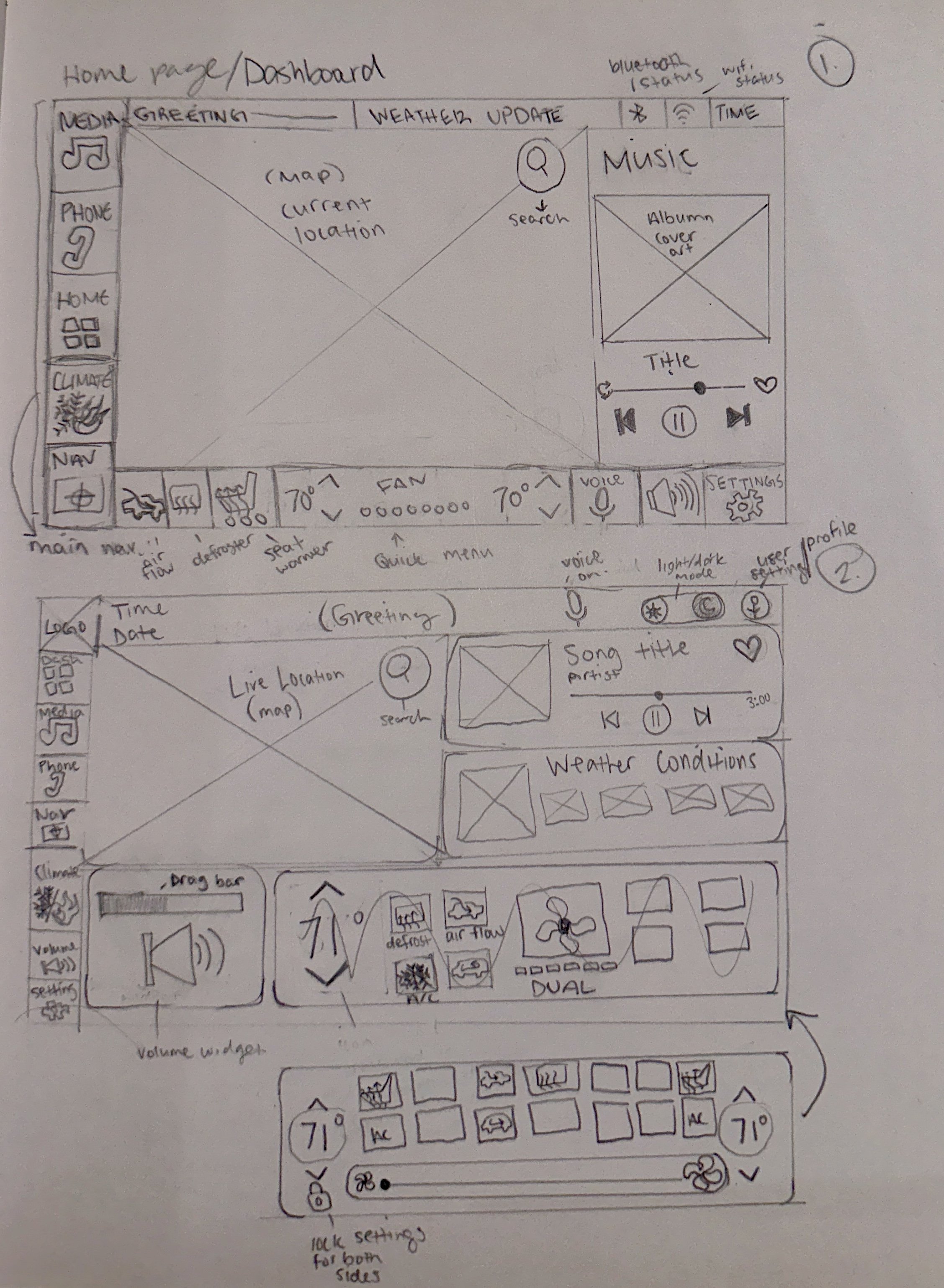
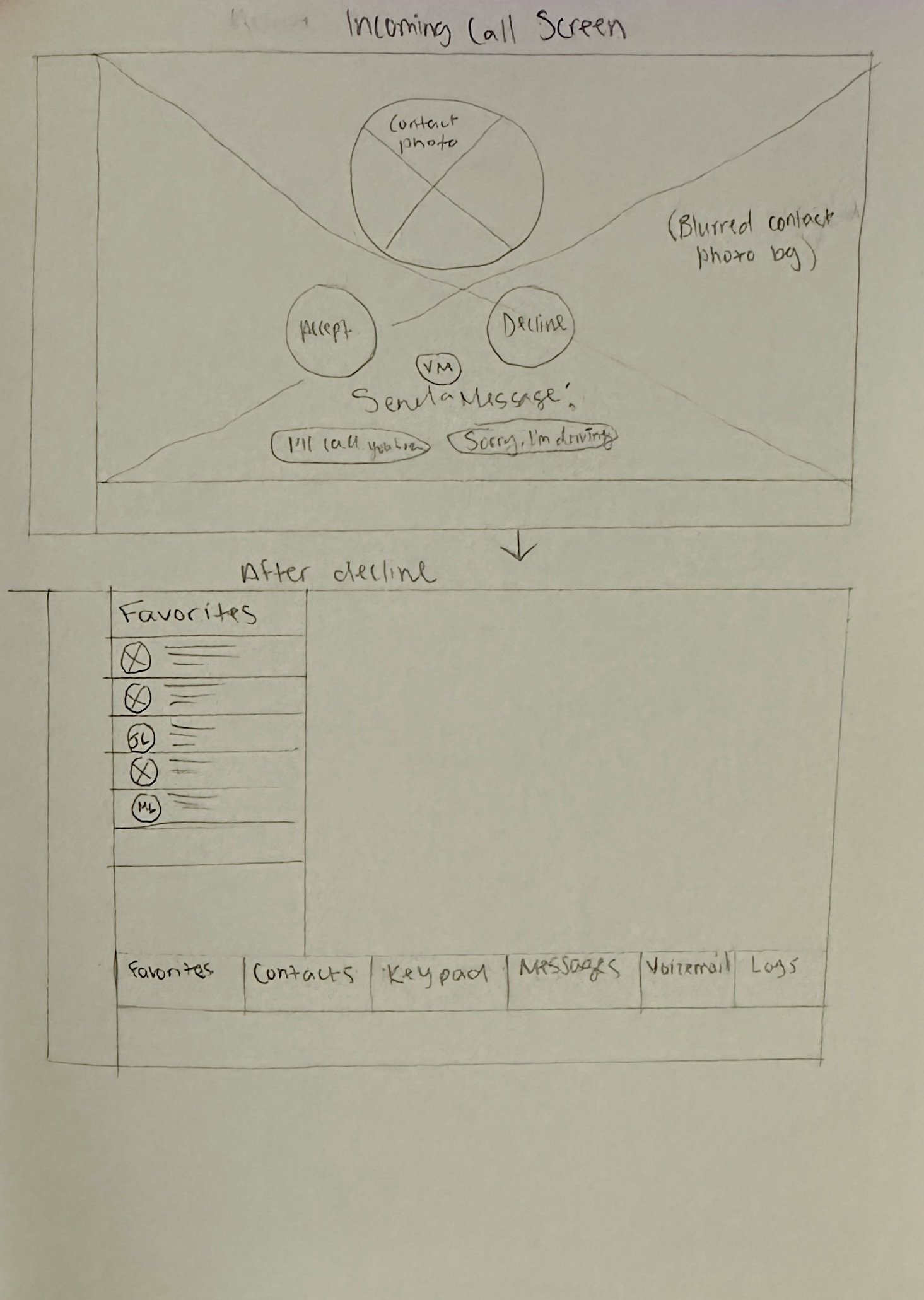
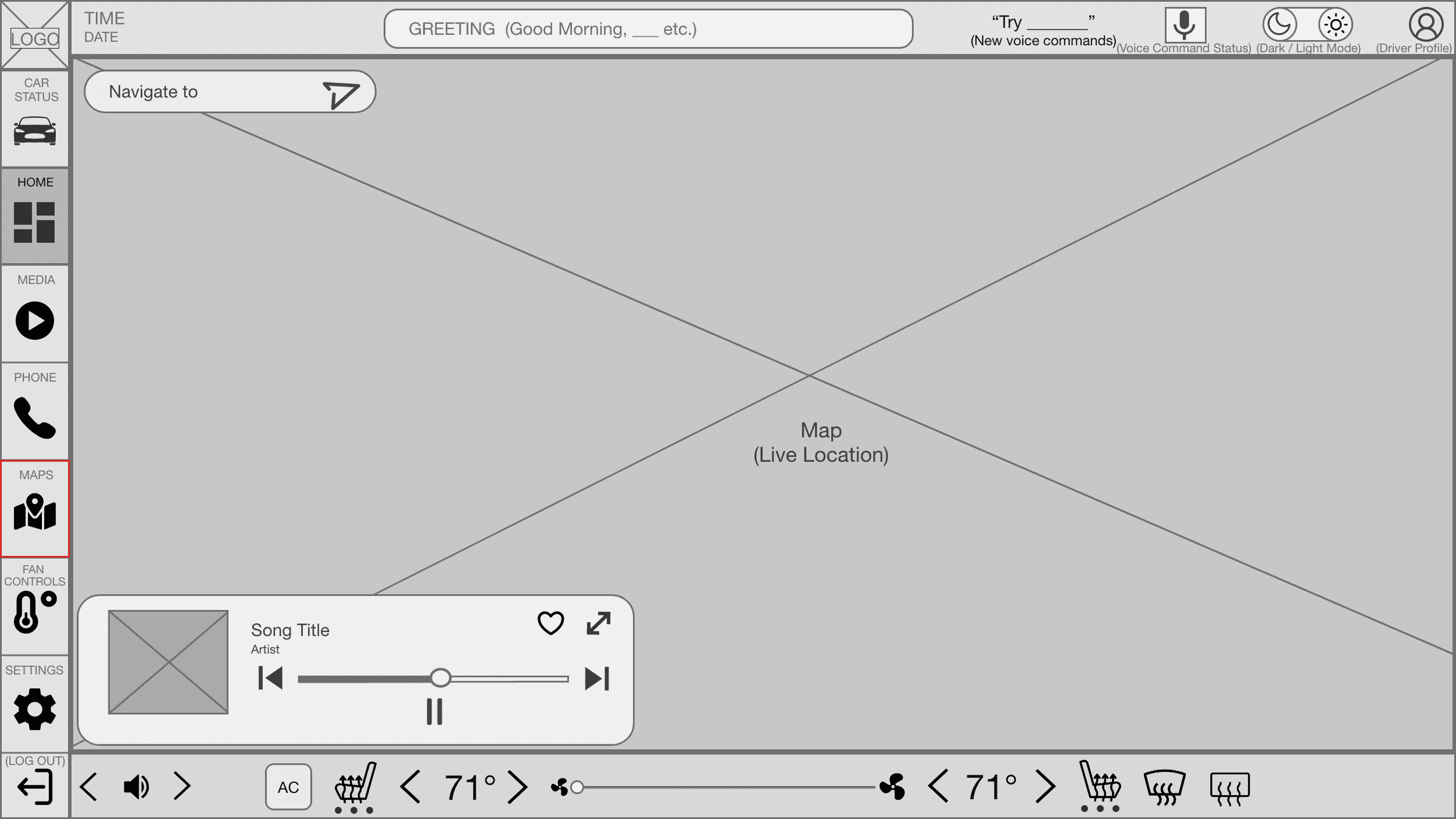
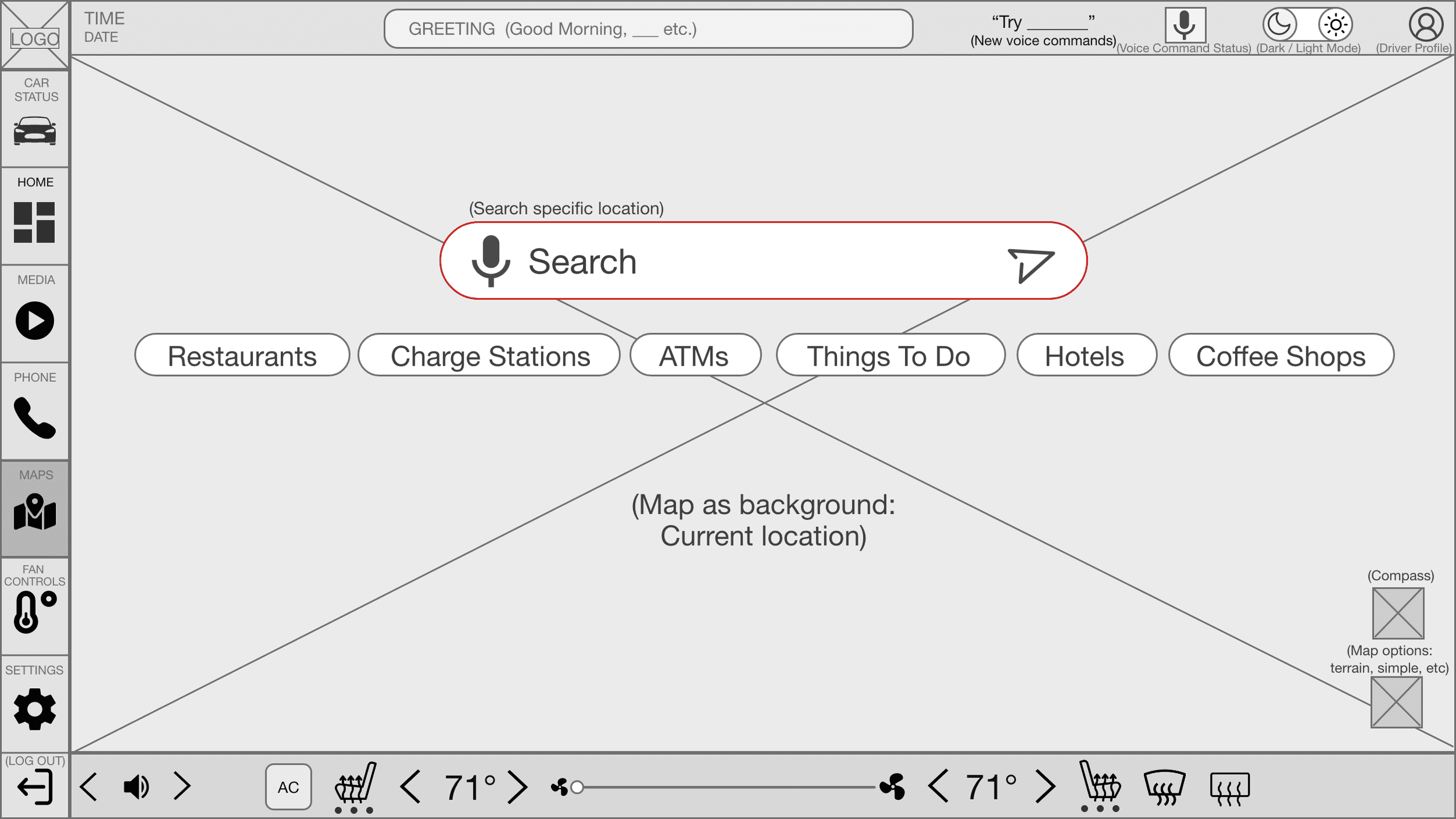
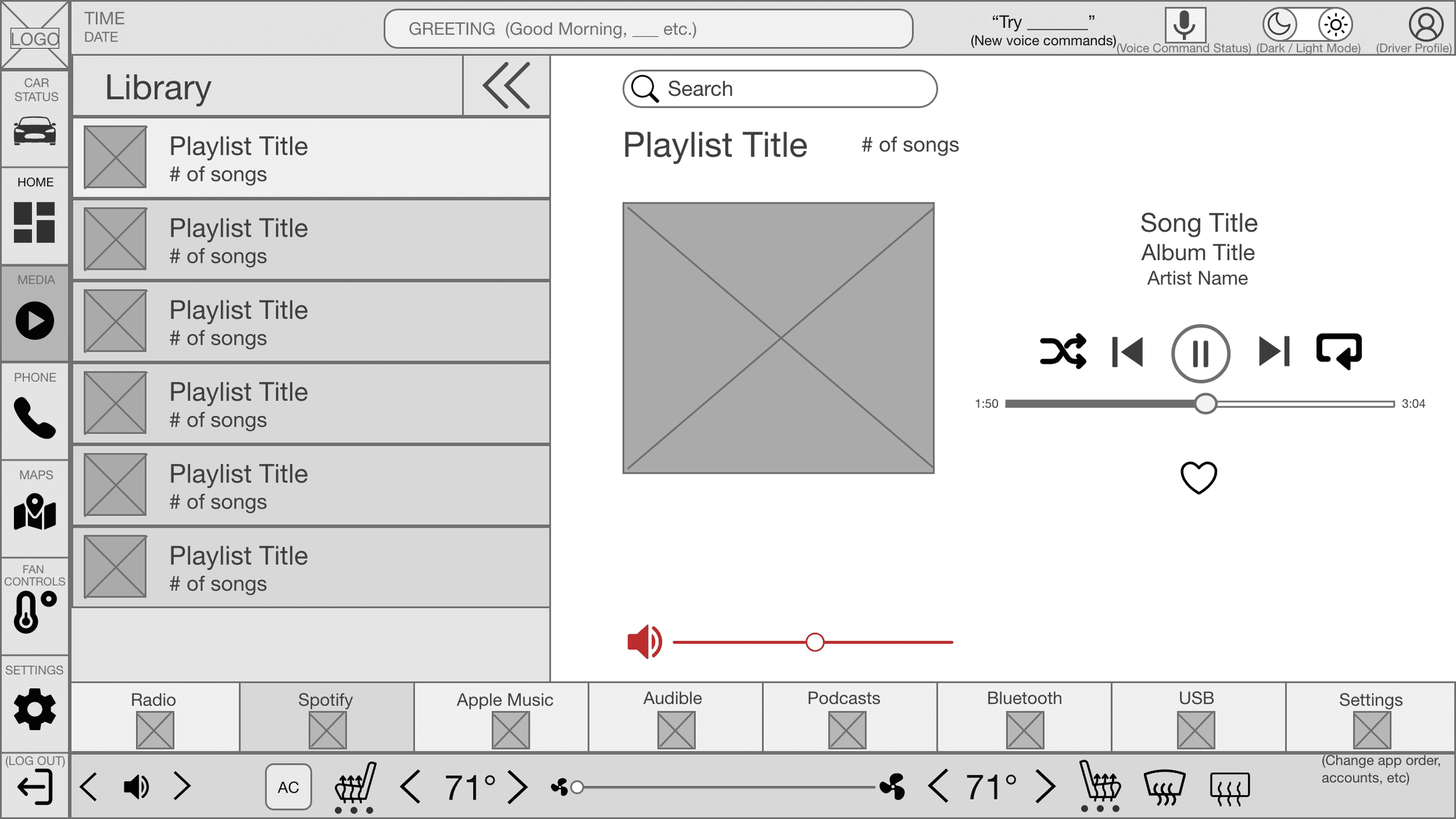
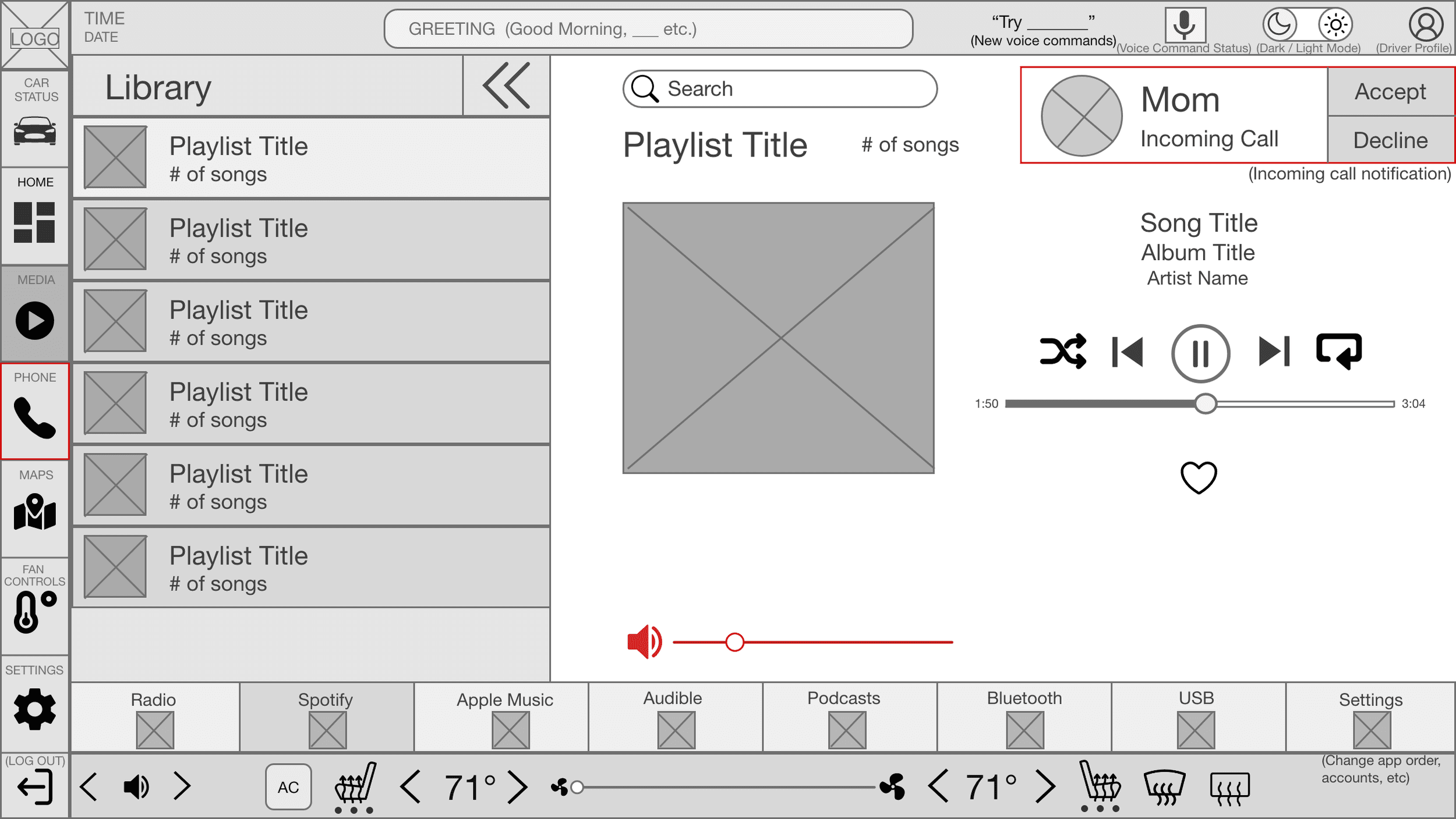
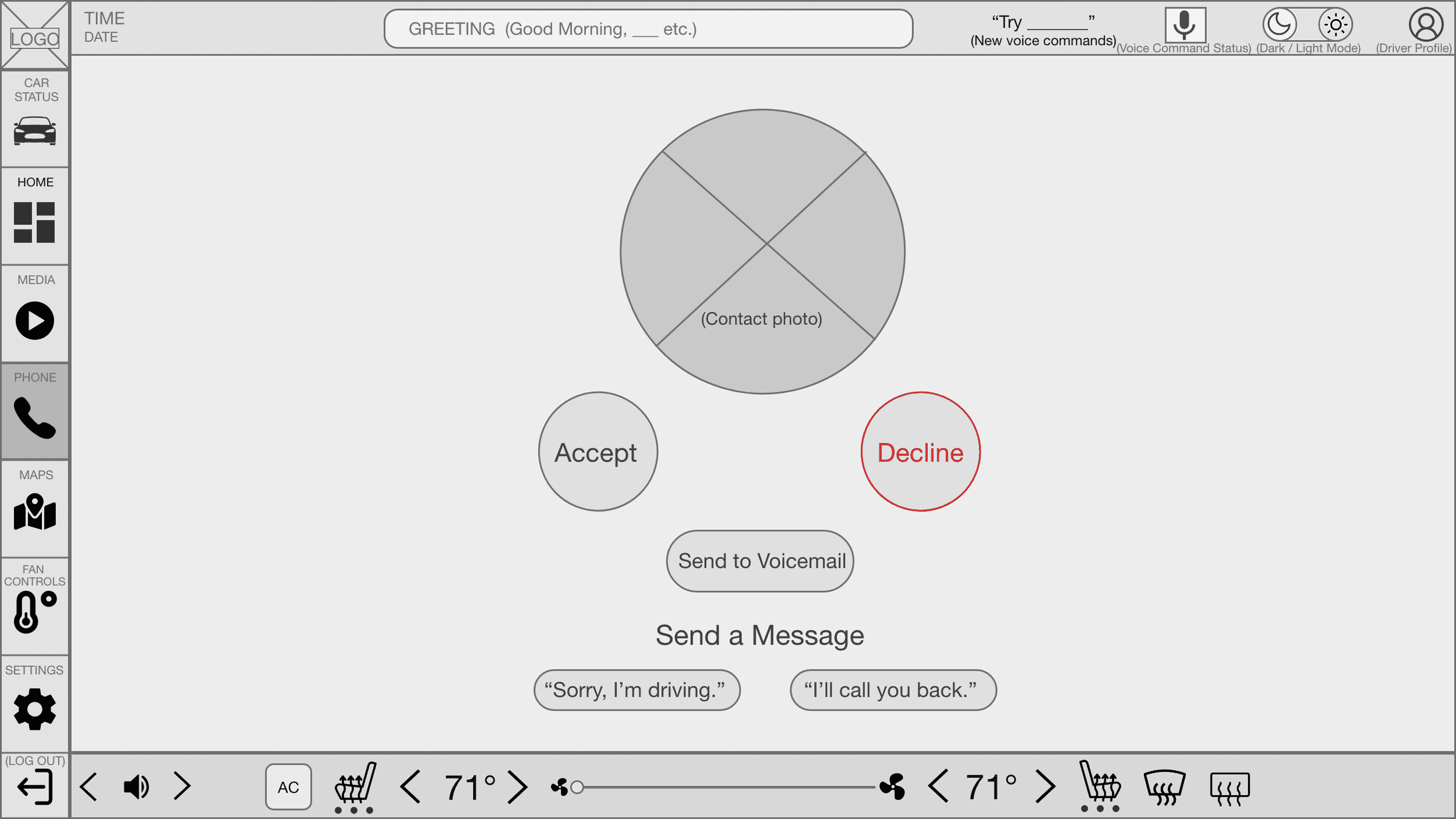
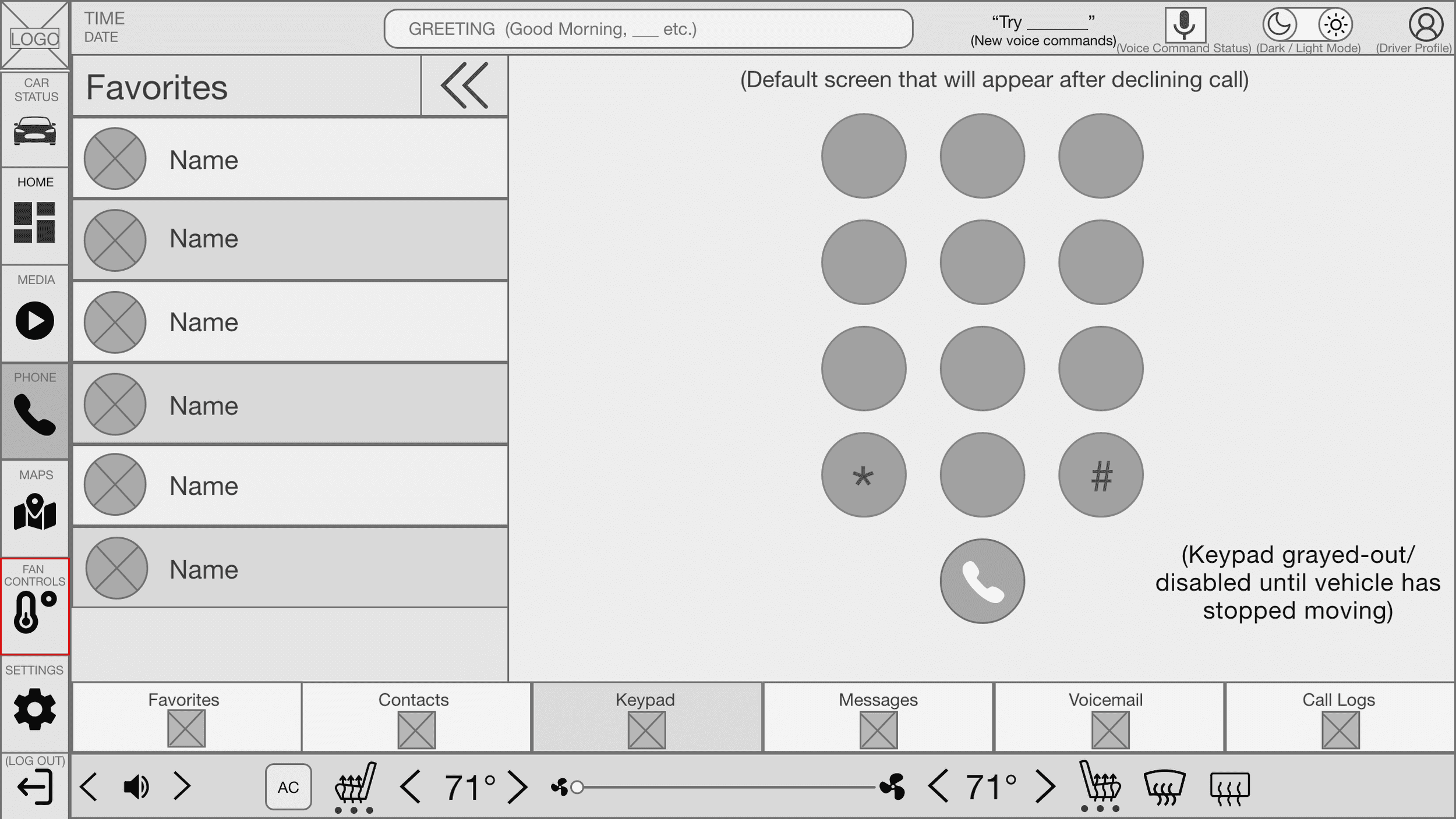
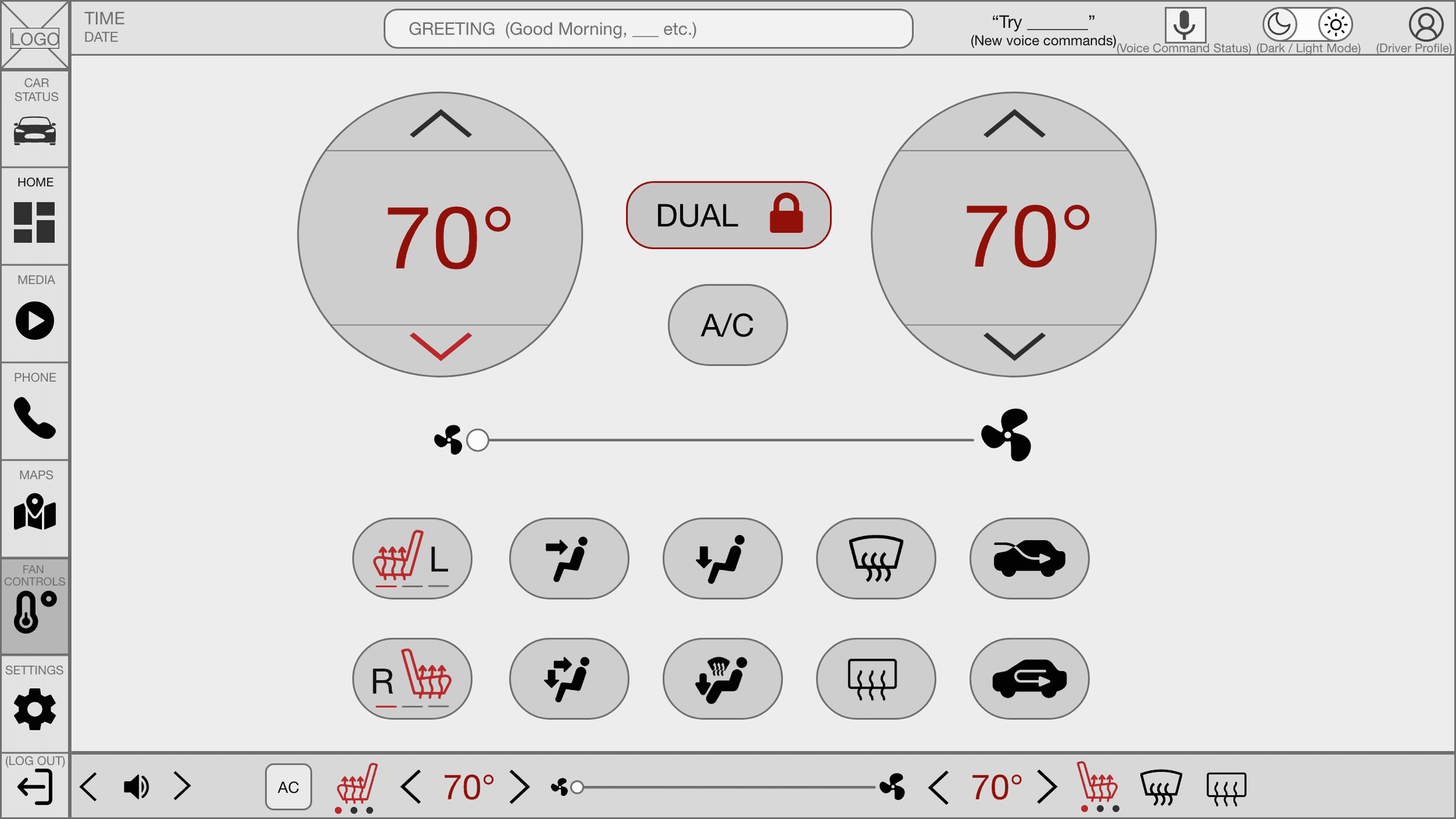
Ideation & Wireframes
Leveraged competitive analysis and user feedback to architect a premium digital experience rooted in Helios’s core values of safety and intuitive luxury.
foundational framework
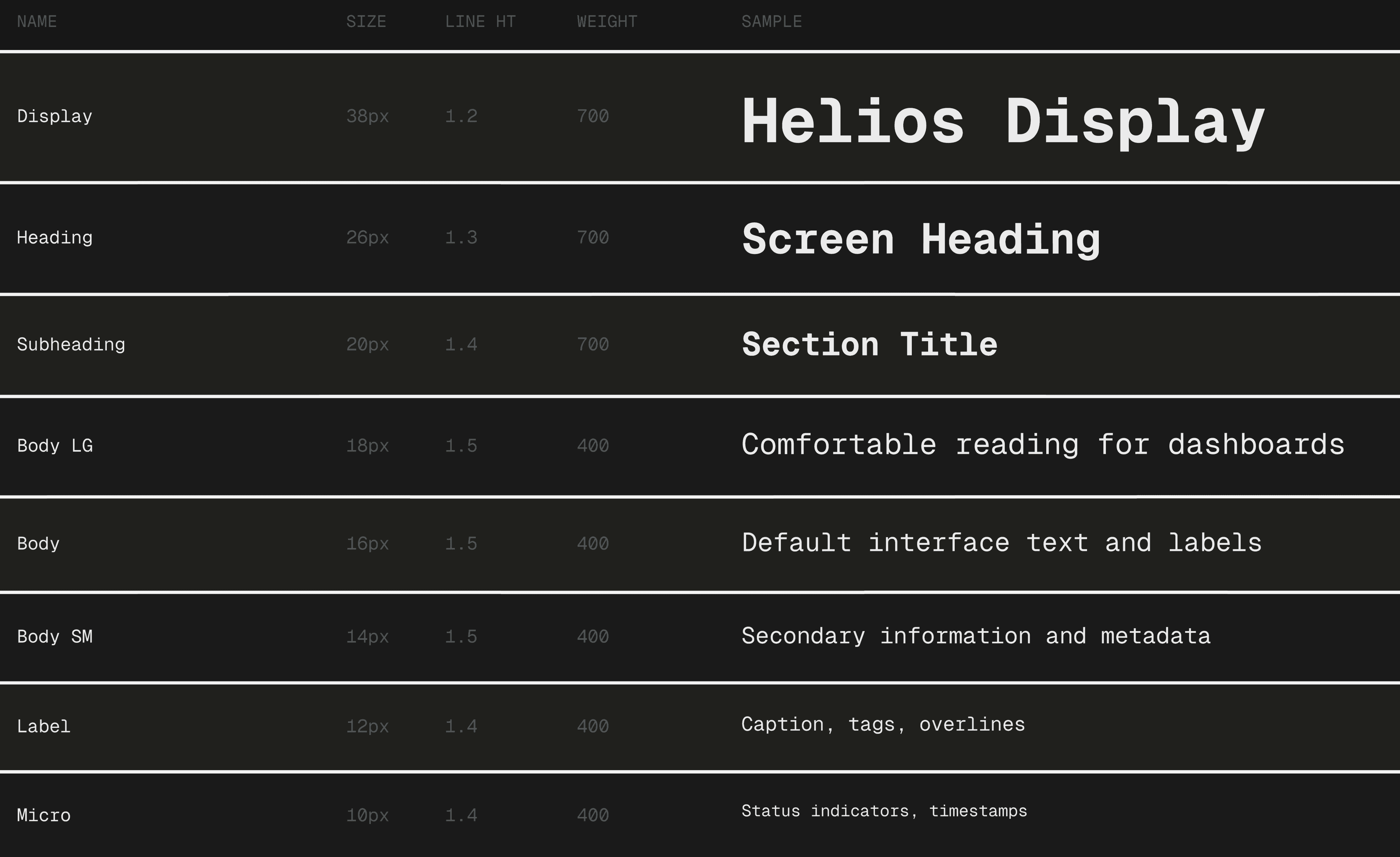
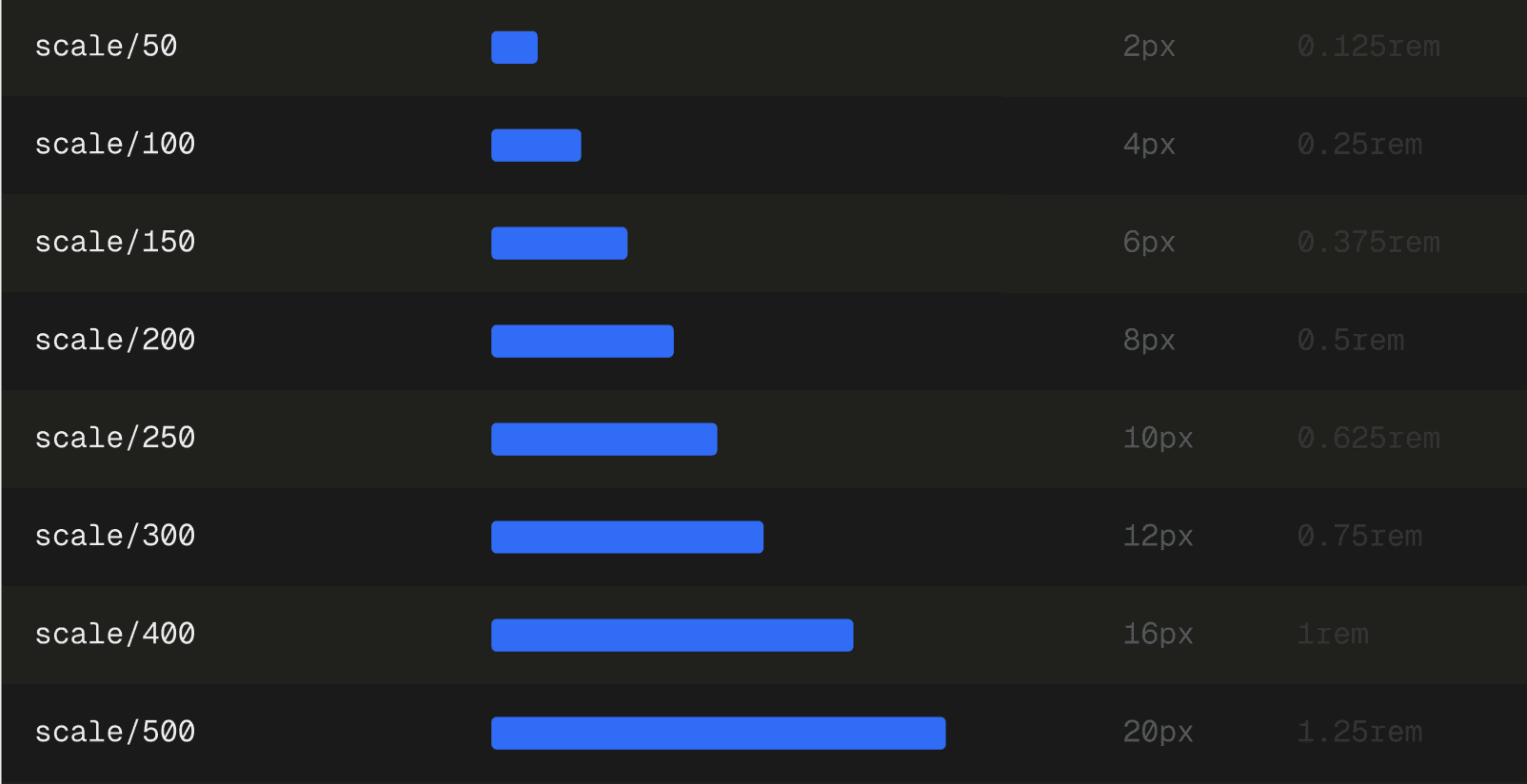
Design System
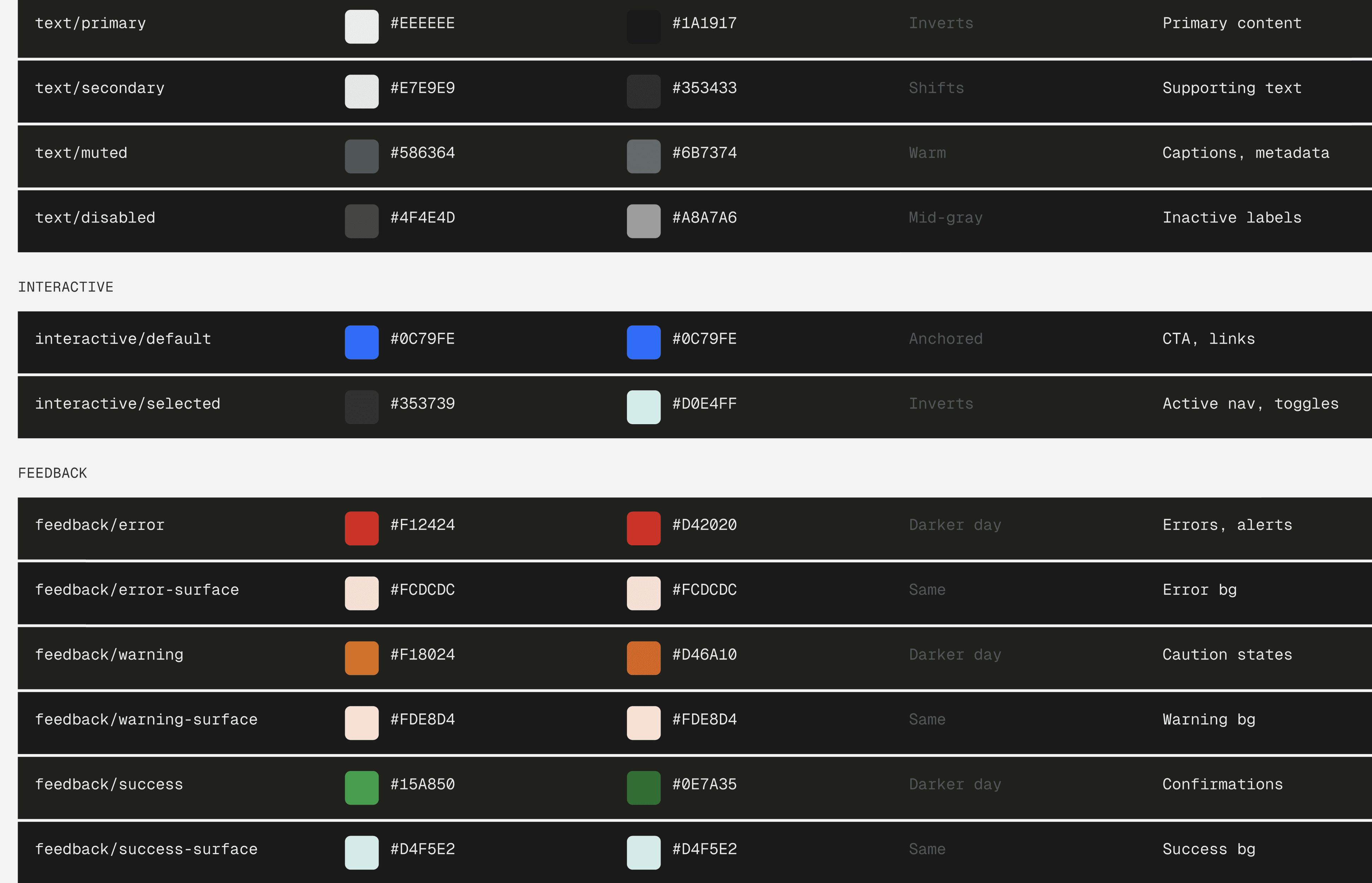
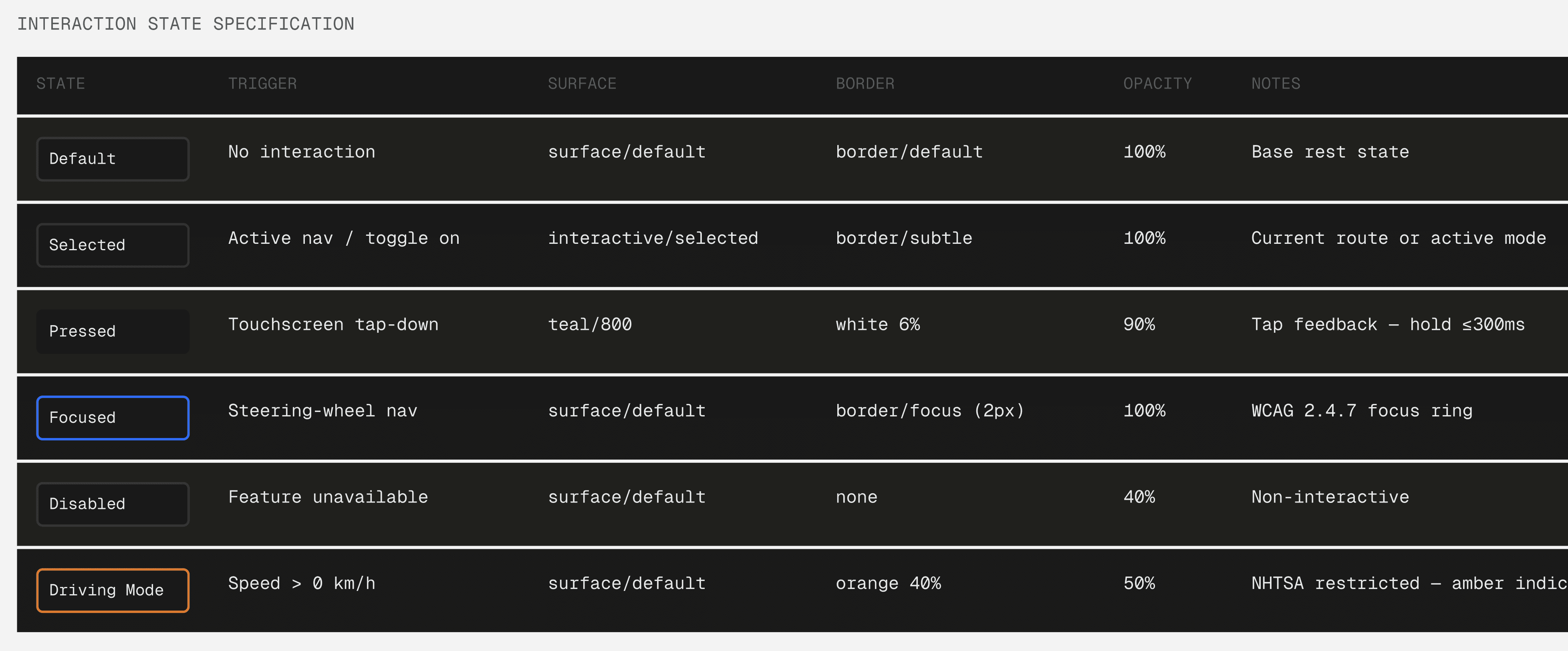
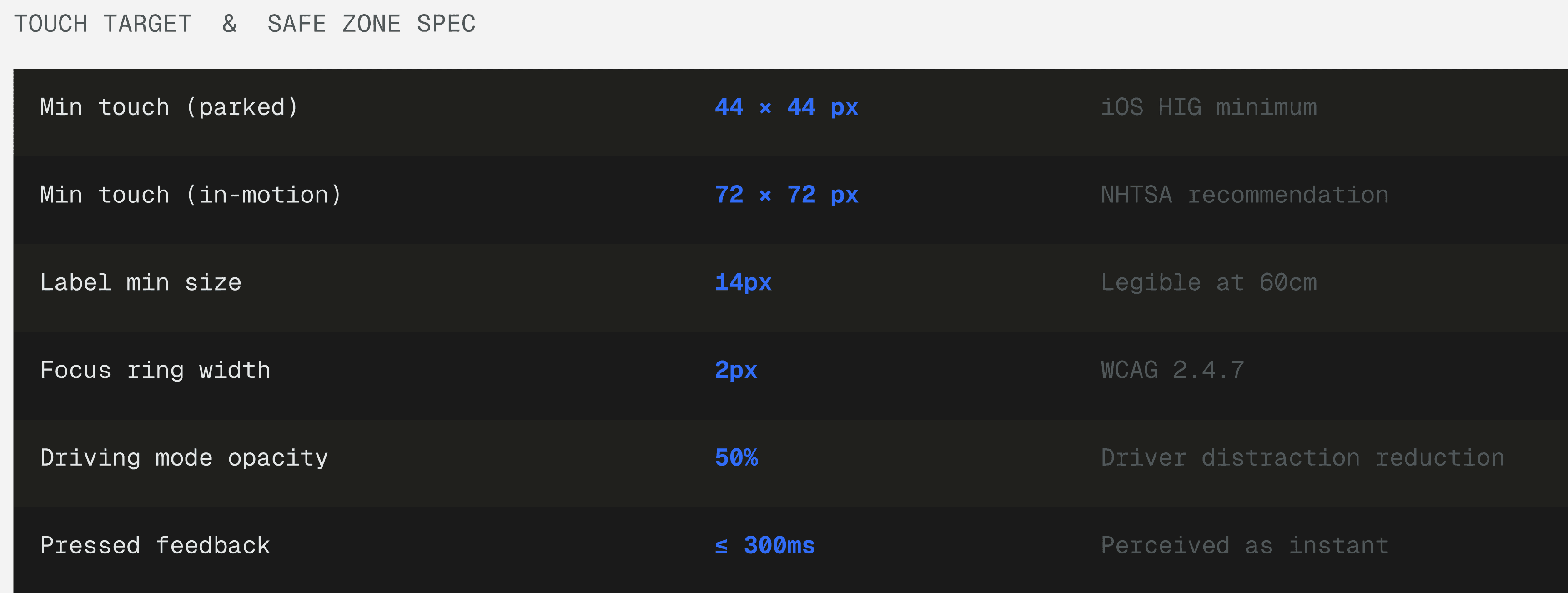
Built a modular design system to ensure consistency, scalability, and accessibility across the interface.
design outcome
A Safety-First Driving Experience
In a high-risk, in-motion environment, the system reduces cognitive load through clear hierarchy, predictable layouts, and immediate system feedback, allowing drivers to complete tasks with minimal distraction.
Built around real driving constraints, interactions prioritize speed, clarity, and confidence through large touch targets and glanceable UI patterns. The following flows highlight how these decisions improve usability in critical moments.